Champagne Cocktail – Cognac, Bitters & 19th-Century Sparkler
The Champagne Cocktail pairs crisp Champagne with Cognac, Angostura bitters, and a bitters-soaked sugar cube for an aromatic sparkling cocktail with a lightly sweet finish. This 19th-century classic requires no shaker and comes together directly in the glass.
Easy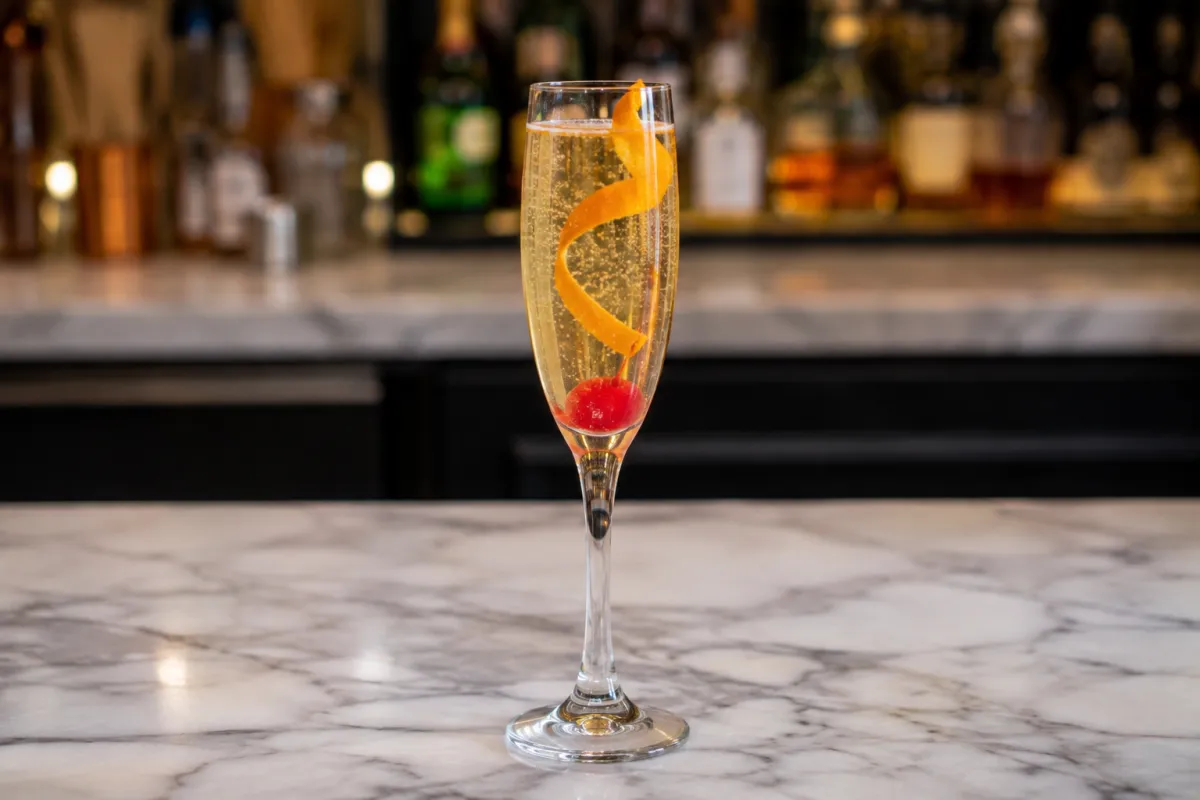
The Champagne Cocktail turns a glass of sparkling wine into a more structured drink with Cognac, aromatic bitters, and slowly dissolving sugar. Champagne keeps it crisp and lively, while the bitters and brandy bring spice and depth. It is simple to assemble, but chilling the ingredients and pouring carefully make a noticeable difference.
A Cocktail with 19th-Century Roots
The Champagne Cocktail was documented in Jerry Thomas's How to Mix Drinks in 1862, placing it among the early recorded American cocktails. Its combination of sparkling wine, sugar, and bitters became associated with formal dinners and celebrations. Modern versions often include Cognac, giving the drink more body while preserving its familiar sparkling character.
What You'll Need
Ingredients
- Champagne: Provides the dry, effervescent foundation of the drink.
- Cognac: Adds fruit, oak, and warming brandy depth beneath the sparkling wine.
- Angostura Bitters: Seasons the sugar with concentrated spice and aromatic bitterness.
- Sugar Cube: Adds measured sweetness while slowly dissolving into the drink.
- Grand Marnier: An optional accent that adds orange and Cognac notes.
Substitution tip: A dry traditional-method sparkling wine can stand in for Champagne when needed, though the finished drink will no longer strictly be a Champagne Cocktail. Armagnac can replace Cognac for a slightly more rustic brandy character.
Equipment
- Champagne flute
- Jigger
- Citrus peeler or paring knife
Why the Sugar Cube Matters
The sugar cube does more than sweeten the cocktail. Saturating it with Angostura bitters concentrates the spice at the bottom of the glass, then Champagne gradually dissolves the sugar as you drink. The result changes subtly from the first sip to the last instead of tasting uniformly sweet from the start.
Substitutions & Variations
- Skip the Grand Marnier: It is optional, and leaving it out gives the drink a leaner profile.
- Use Armagnac: Swap it for Cognac when you want a fuller, more rustic brandy note.
- Change the sparkling wine: Dry Cava or another traditional-method sparkling wine makes a practical variation.
- Adjust the citrus aroma: Express orange zest over the glass for a brighter citrus finish.
- Serve without the cherry: The garnish can be simplified when you want a cleaner presentation.
Helpful Tips
- Chill both the Champagne and the glass before building the drink.
- Add the bitters directly to the sugar cube so they stay concentrated instead of disappearing immediately into the wine.
- Pour Champagne slowly to control the foam and preserve carbonation.
- Do not stir aggressively. The bubbles will help integrate the ingredients.
- Open the Champagne close to serving time so the finished cocktail retains as much carbonation as possible.
- For several servings, prepare the sugar cubes and bitters in the glasses first, then add Cognac and Champagne immediately before serving.
Champagne Cocktail Recipe
Bartender mode
UnavailableCook mode requires a supported browser and a secure connection.
Type of Glass
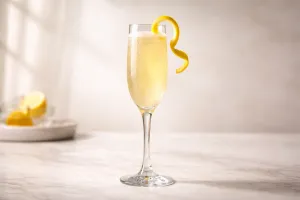
Champagne Flute
Prep Time
2 min
Ingredients
- 3 oz.
- 1/3 oz.
- 2 dashes
- 1 Sugar Cube
- few drops
Directions
Prepare the glass
Chill the Champagne Flute, then place the Sugar Cube in the glass and saturate it with Angostura Bitters.
Add the spirits
Pour in the Cognac. Add the Grand Marnier if using.
Top with Champagne
Slowly pour in the chilled Champagne, allowing the bubbles to gently mix the drink.
Garnish and serve
Finish with orange zest and a maraschino cherry, then serve immediately.
Bitters-soaked sugar, Cognac, and cold Champagne give this historic sparkler far more character than its simple preparation suggests.