English Rose Cocktail – Gin, Apricot Brandy & Vermouth Classic
The English Rose Cocktail pairs botanical gin with apricot brandy, dry vermouth, grenadine, and lemon for a fruit-accented classic with a lightly sweet sugar rim. It is a compact, vintage-style cocktail with herbal depth, stone-fruit character, and a bright citrus finish.
Intermediate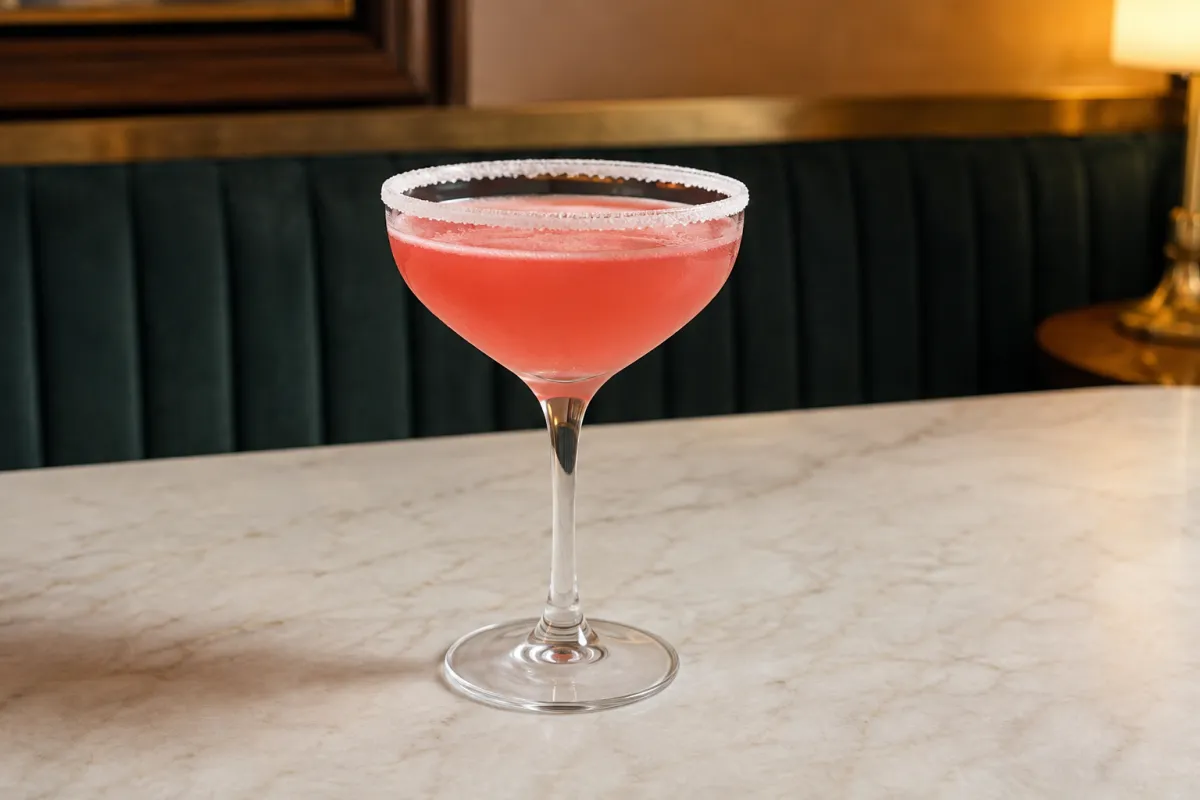
The English Rose Cocktail combines dry gin and vermouth with apricot brandy, a touch of grenadine, and fresh lemon. The result is layered rather than sugary: botanicals lead, apricot fills out the middle, and citrus keeps the finish lively. A powdered-sugar rim gives each sip an optional extra touch of sweetness.
A Cocktail with Jazz Age Character
The exact origin of the English Rose is not established in the current recipe record. Boozeopedia's existing recipe associates it with the Jazz Age, when compact gin cocktails with vermouth, fruit liqueurs, and decorative presentation were firmly at home behind the bar. Its combination of gin, apricot brandy, and grenadine gives it a distinctly vintage profile.
What You'll Need
Ingredients
- Gin – supplies the botanical backbone and most of the drink's structure.
- Apricot Brandy – adds stone-fruit sweetness and a rounded fruit character.
- Dry Vermouth – contributes herbal dryness and keeps the cocktail from becoming too sweet.
- Grenadine – adds a small amount of sweetness, fruit flavor, and color.
- Lemon Juice – brings acidity that sharpens the fruit and vermouth.
- Powdered Sugar – creates the sweet rim that contrasts with the drink's dry, citrus-driven center.
Substitution ideas:
- No apricot brandy? A peach liqueur can work, although the fruit profile will shift toward peach.
- No dry vermouth? Lillet Blanc can provide a softer, slightly fruitier alternative.
- No grenadine? A small amount of sweetened pomegranate syrup is the closest practical substitute.
- Lime juice can replace lemon in a pinch, but expect a sharper citrus profile.
Equipment
- Cocktail shaker
- Strainer
- Jigger
- Cocktail glass
- Small plate or dish for preparing the sugar rim
Dry Gin Meets Soft Apricot
The appeal of the English Rose comes from contrast. Gin and dry vermouth create a crisp herbal framework, while apricot brandy rounds it with fruit. Grenadine contributes sweetness in a restrained amount, and lemon keeps the mixture bright. The sugar rim lets you control how much additional sweetness reaches each sip.
Substitutions & Variations
- Use a juniper-forward London dry gin for a sharper, more traditional profile.
- Try a softer floral gin when you want the apricot character to stand out.
- Replace apricot brandy with peach liqueur for a different stone-fruit variation.
- Use Lillet Blanc instead of dry vermouth for a rounder, slightly softer drink.
- Skip the powdered-sugar rim for a drier presentation.
- Rim only half the glass so each sip can be taken with or without the extra sweetness.
Helpful Tips
- Chill the cocktail glass before preparing the rim so the finished drink stays cold longer.
- Use fresh lemon juice for cleaner acidity.
- Apply only a thin coating of powdered sugar. A heavy rim can overwhelm the relatively small amount of citrus in the drink.
- Shake until the outside of the shaker is very cold, then strain immediately.
- For a cleaner-looking rim, moisten only the outside edge of the glass rather than letting lemon juice run down the inside.
- Serve it with light appetizers, salty nuts, mild cheeses, or small pastries that will not overpower the apricot and botanical notes.
English Rose Cocktail Recipe
Bartender mode
UnavailableCook mode requires a supported browser and a secure connection.
Type of Glass
Cocktail Glass
Prep Time
4 min
Ingredients
- 3/4 oz.
- 1 1/2 oz.
- 3/4 oz.
- 1 tsp.
- 1/4 oz.
- Powdered Sugar
Directions
Prepare the glass
Rub the rim of a cocktail glass with Lemon Juice, then dip the rim in Powdered Sugar to coat.
Shake
Add Gin, Apricot Brandy, Dry Vermouth, Grenadine, and Lemon Juice to a shaker filled with ice. Shake until thoroughly chilled.
Strain and serve
Strain into the prepared cocktail glass and garnish as desired.
Gin, apricot, vermouth, and citrus give the English Rose its distinctive balance of dry structure and soft fruit.