Fall Cocktails: A Practical Guide to Autumn Drinks
Editor's note: This article was substantially updated in September 2026 from an earlier version of Boozeopedia's Autumn Spirits series.
Fall cocktails don't all need to be brown, hot, or covered in cinnamon.
Early in the season, a cold cider-and-ginger drink can make more sense than a steaming mug. Later, bourbon, maple, warm spices, and hot drinks start to feel more at home. And if you're hosting, a tart zero-proof option can be just as useful as the whiskey bottle.
The best way to approach fall cocktails is to think about flavor, temperature, and occasion rather than trying to cram every autumn ingredient into one glass.
What Makes a Cocktail Feel Like Fall?
There isn't one official formula for an autumn drink. A few ingredients and styles simply become especially useful as the weather cools.
Orchard fruit is the obvious place to start. Apple cider, fresh apple, pear, and related flavors can work in everything from fizzy highballs to richer whiskey drinks.
Maple and honey add more flavor than plain sugar while still doing the basic job of sweetening a cocktail. They work particularly well with whiskey, rum, citrus, and spice.
Cinnamon, ginger, clove, chai, and nutmeg can add warmth and aroma, but restraint matters. A drink usually needs a hint of spice, not the entire baking cabinet.
Whiskey, aged rum, and brandy naturally suit many fall recipes because their oak, spice, caramel, and fruit notes pair easily with cider and warmer sweeteners. But gin, vodka, and bitter aperitifs don't suddenly stop working when September arrives.
Finally, temperature changes the experience. Some fall drinks are meant to be cold and lively. Others make sense warm. Neither approach is more authentically autumnal.
Crisp Fall Cocktails for the Start of the Season
Fall can still be warm, especially in September and early October. That's where cider highballs, sours, and other cold drinks earn their place.
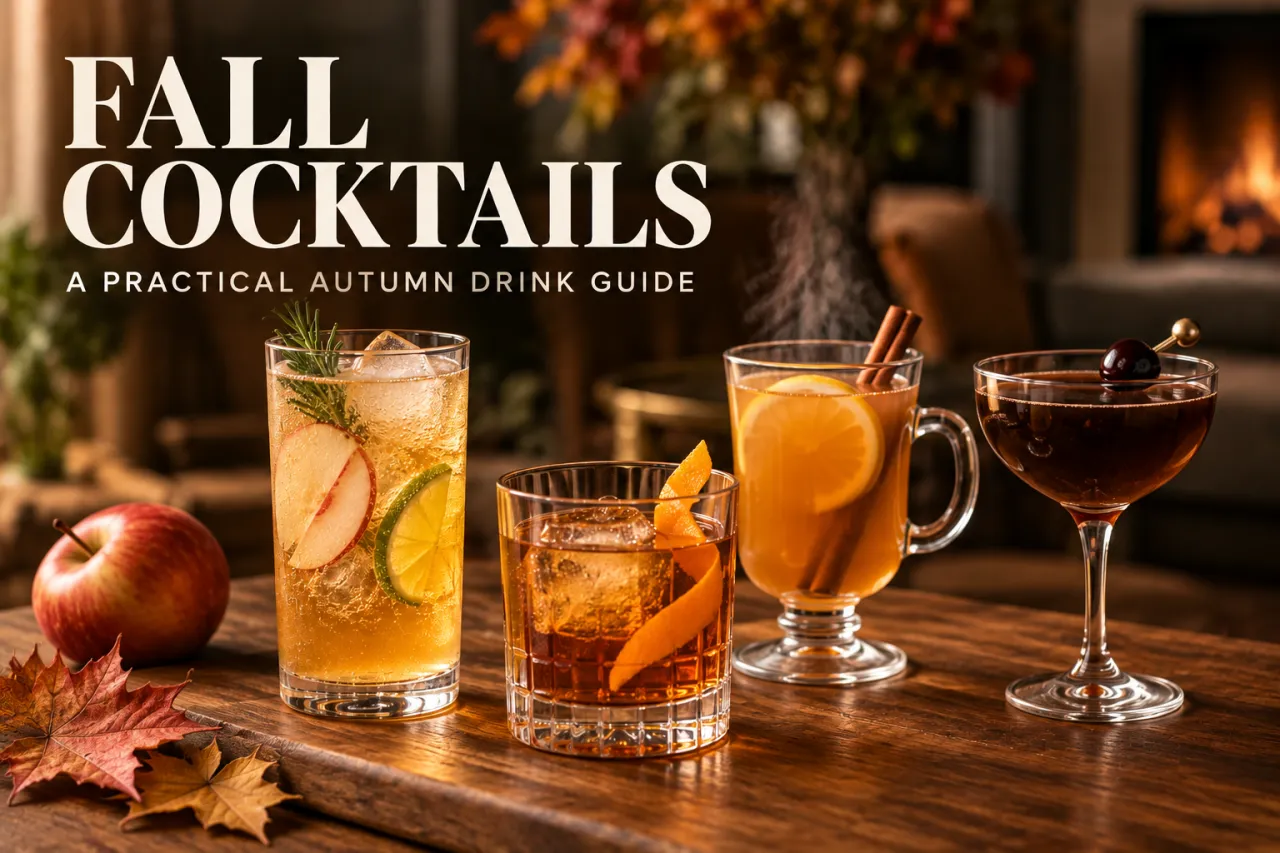
The Apple Cider Mule is a good example. It combines vodka and spiced apple cider with fresh lime and ginger beer. The cider provides the orchard flavor, but the lime and ginger keep the drink crisp rather than heavy.
That balance is worth remembering whenever you're working with cider. Apple cider can bring plenty of sweetness, so adding acidity, carbonation, or a drier spirit helps stop the finished drink from becoming flat or sugary.
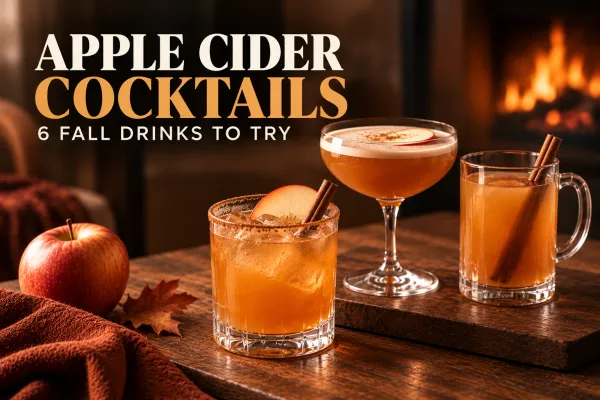
For more cider-focused options, Boozeopedia's guide to 6 Cider Cocktails to Celebrate Fall explores several different ways to use apple cider in cold, warm, and spirit-forward drinks.
Whiskey and Maple Without Turning Everything Into Dessert
Whiskey is an easy fit for fall, but seasonal whiskey cocktails work best when the autumn ingredients support the spirit rather than bury it.
The Spiced Maple Old Fashioned keeps things fairly restrained. Bourbon is sweetened with a small amount of maple syrup, while Angostura and cinnamon bitters supply spice and structure.
That's a more useful model than simply adding maple syrup and cinnamon to every whiskey drink you make.
A seasonal variation should still taste like the cocktail underneath it. Maple can replace another sweetener. Cinnamon bitters can change the aroma. Apple cider can add fruit and body. None of those ingredients need to take over the glass.
If whiskey is the main attraction, our fall whiskey cocktail guide goes deeper into bourbon and rye drinks built around apple, maple, spice, and other autumn flavors.
When It's Actually Time for a Hot Drink
Once the temperature drops, hot cocktails become useful for reasons beyond seasonal aesthetics. Heat changes how aromas reach you, affects sweetness, and creates a completely different drinking experience from a chilled cocktail.
The Fall Hot Toddy uses bourbon, honey, lemon, ginger, clove, and cinnamon. The lemon keeps the honey in check, while ginger and clove add spice without requiring a complicated syrup or infusion.
The same basic lesson applies to other warm drinks: don't confuse warmth with sweetness.
Hot cocktails can taste cloying surprisingly quickly because many common ingredients, including honey, cider, liqueurs, and brown sugar, already contribute sweetness. Citrus, tea, bitters, dilution, or a drier base spirit can help restore balance.
Mulled wine, hot buttered rum, spiked cider, and toddies all belong in the fall rotation, but you don't need to serve every autumn cocktail hot. Save them for evenings when the temperature and occasion actually call for one.
After-Dinner Drinks Have a Different Job
A drink served before dinner and one served after dessert don't need to follow the same rules.
Before a meal, acidity, bitterness, bubbles, and lighter textures can help keep a drink refreshing. After dinner, a richer or more spirit-forward drink may make more sense.
Coffee cocktails are one option, but they're not the whole category. Whiskey, rum, brandy, fortified wine, cream liqueurs, and bittersweet stirred drinks can all work as slower after-dinner choices.
Our guide to fireside nightcaps and after-dinner drinks covers that part of the evening in more detail.
The useful distinction is simple: don't choose an after-dinner drink merely because it contains cinnamon. Choose something that fits the end of the meal.
Fall Mocktails Deserve the Same Attention
Alcohol isn't what makes a drink seasonal.
Apple cider, cranberry, citrus, ginger, sage, rosemary, tea, maple, warm spices, and carbonation can all build autumn drinks without spirits.
The same balance rules still apply. If cider and syrup make a mocktail too sweet, citrus or sparkling water can sharpen it. Herbs and tea can add aroma and structure without piling on more sugar.
Boozeopedia's refreshed guide to fall mocktails includes practical ways to use apple, cranberry, citrus, herbs, spice, and bubbles in zero-proof drinks.
If you're hosting, having at least one genuinely considered alcohol-free choice is more useful than treating soda or water as the automatic alternative.
How to Keep Fall Flavors Balanced
Seasonal ingredients are easy to overdo. A few basic habits make fall cocktails considerably better.
Pick one main seasonal idea
Apple and ginger. Bourbon and maple. Pear and bitters. Chai and lemon.
You can certainly use more than two flavors, but starting with one clear idea usually produces a better drink than combining cider, pumpkin, caramel, maple, cinnamon, and vanilla simply because they're all associated with autumn.
Use acidity to control sweetness
Lemon and lime are especially helpful with cider, maple, honey, fruit purées, and sweet liqueurs.
If a fall cocktail tastes heavy or indistinct, a little acidity may solve the problem more effectively than adding another spirit or spice.
Treat spice as an aromatic ingredient
Whole cinnamon, fresh ginger, bitters, tea, or a modest amount of spice-infused syrup can add plenty of character.
Ground spice dumped directly onto a drink can easily become gritty or overpowering. More isn't automatically warmer.
Don't forget dilution
A stirred whiskey cocktail needs enough dilution to soften the alcohol. A highball needs enough ice to stay cold. A hot drink usually includes water, coffee, tea, or cider as part of its structure.
Dilution isn't something that accidentally happens to a cocktail. It's one of the ingredients that makes the drink balanced.
Garnish with a purpose
An orange peel can add citrus oil. Mint adds aroma. An apple slice signals the flavor already in the glass. A cinnamon stick can contribute fragrance to a warm drink.
You don't need all four at once.
Building a Small Fall Drink Menu
You don't need six cocktails at a fall gathering.
Three well-chosen options are often more practical:
- Something cold and refreshing. A cider Mule, sour, or sparkling drink works well when guests arrive.
- Something deeper or spirit-forward. A whiskey cocktail gives people an option for slower sipping.
- Something alcohol-free. Make it a real drink with acidity, aroma, and texture rather than simply removing the liquor from a cocktail.
If the night will run late or the weather is cold, add a warm drink as a fourth option.
For easier service, still ingredients can often be combined ahead of time, while carbonation should usually be added when serving. Hot drinks can also be partially prepped so you're not measuring six bottles while everyone waits.
The goal isn't to operate a cocktail bar from your kitchen. It's to give people a few clearly different choices.
Choose the Fall Drink That Fits the Moment
There isn't one flavor that defines autumn cocktails.
For an early fall afternoon, something cold with apple, citrus, and ginger may be exactly right. A chilly evening can call for bourbon and maple. After dinner, a richer nightcap makes sense. And a good zero-proof drink should have just as much thought behind it as everything else on the menu.
Start with the style of drink you actually want, then add the seasonal flavors that support it.
For more ideas, browse Boozeopedia's Fall Cocktails & Autumn Drinks collection.