Apple Cider Cocktails: 6 Fall Drinks to Try
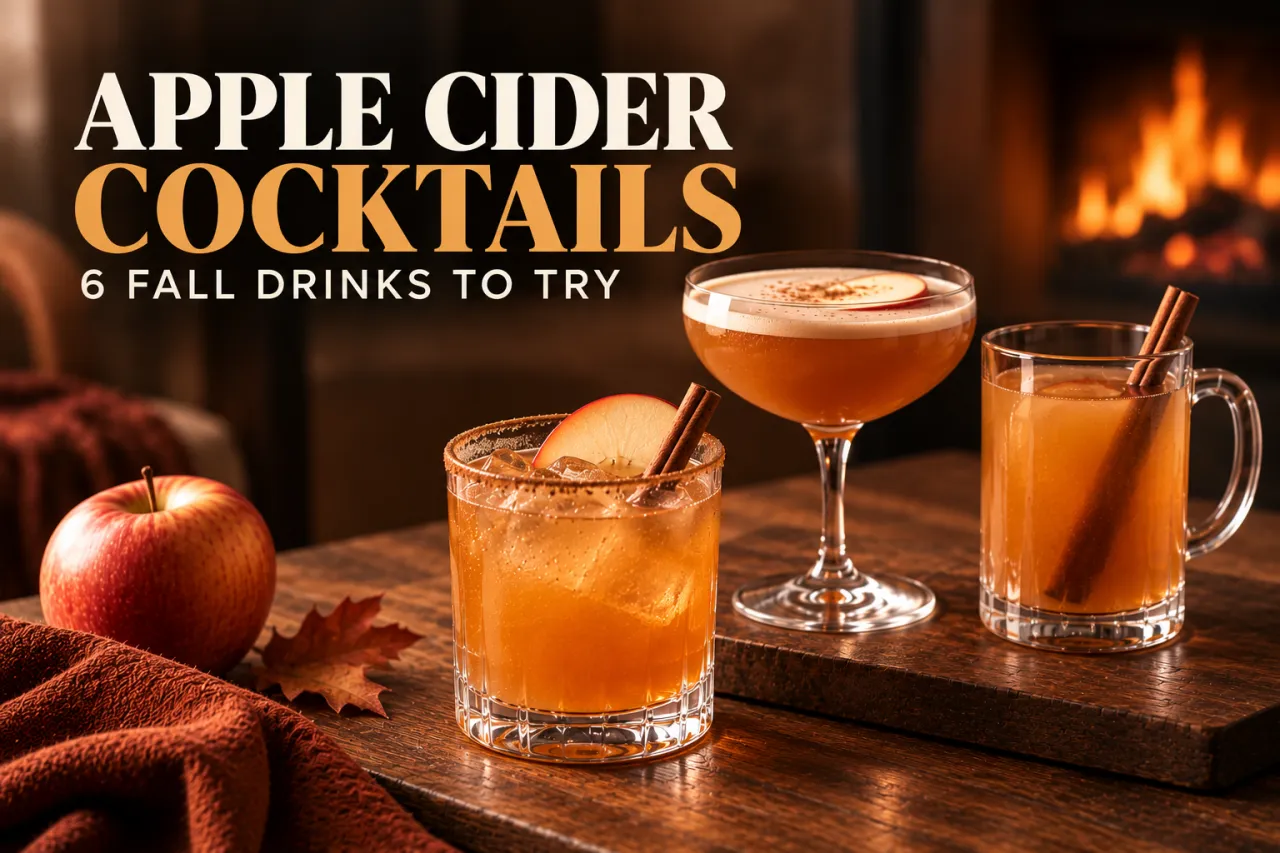
Editor's note: This article was substantially updated in September 2026.
Apple cider can do more in a cocktail than add an obvious fall flavor.
It brings apple fruit, some sweetness, body, and usually a little acidity. Pair it with ginger beer and lime and it stays crisp. Use a small amount with bourbon and bitters and it can fit into a spirit-forward drink. Add it to wine and brandy and it becomes part of a pitcher cocktail. Heat it with whole spices and rum and it turns into a completely different kind of drink.
The main trick is remembering that cider is already contributing sweetness. Good cider cocktails usually need something to push back: citrus, ginger, bitters, a dry or assertive spirit, carbonation, or sometimes all of the above.
These six Boozeopedia recipes show six different ways to make that work.
First: Apple Cider and Hard Cider Aren't the Same Thing
In the Boozeopedia recipes below, apple cider means the still, nonalcoholic pressed-apple drink unless the recipe specifically says otherwise.
Hard cider is fermented, alcoholic, and often carbonated. That makes it a useful cocktail ingredient in its own right, but it isn't automatically a one-for-one replacement for regular cider.
If a recipe calls for still apple cider and you substitute hard cider, you're changing the alcohol level, sweetness, carbonation, and dilution all at once.
For the recipes in this guide, use regular apple cider unless the individual recipe tells you otherwise.
1. Apple Cider Mule: Bright, Fizzy, and Ginger-Forward
The Apple Cider Mule is one of the easiest ways to keep cider refreshing.
It combines vodka, spiced apple cider, fresh lime juice, and ginger beer. Vodka stays mostly out of the way, giving the apple, citrus, and ginger room to lead.
Why it works: cider supplies fruit and sweetness, but lime adds sharp acidity and ginger beer brings both carbonation and heat. Those two ingredients keep the apple from tasting soft or heavy.
This is a particularly good cider cocktail for the beginning of fall, when the weather may still be warm enough that a steaming mug sounds premature.
Regular apple cider can also replace the spiced version if that's what you have. The cinnamon-stick garnish can supply some extra spice aroma without changing the whole drink.
2. Cider Old Fashioned: Use a Small Pour
Apple cider doesn't have to dominate the glass.
The Cider Old Fashioned uses two ounces of bourbon but only half an ounce of apple cider, along with maple syrup and Angostura bitters.
That proportion is the point.
Why it works: bourbon remains the main flavor. Cider adds a subtle apple note, maple replaces the usual neutral sweetener, and bitters provide structure.
This is a useful lesson if you're experimenting with cider in other spirit-forward cocktails: start small.
Adding more cider isn't always the best way to get a better apple cocktail. In a drink built around whiskey, too much can dilute the structure you're trying to preserve.
3. Apple Cider Whiskey Smash: Add Citrus and Herbs
The Apple Cider Whiskey Smash takes cider in a brighter direction.
Bourbon and apple cider are shaken with lemon juice, honey syrup, and mint before the drink is served over crushed ice.
Why it works: lemon sharpens the cider, while mint adds a fresh aroma that cuts through the bourbon and honey. Crushed ice gradually adds dilution as you drink.
This is a good option when you want whiskey and apple without the heavier character of a stirred drink.
It also shows why cider doesn't need to be paired exclusively with cinnamon and baking spices. Fresh herbs can be just as useful when the rest of the drink already leans rich.
4. Spiked Cider Sangria: Best for a Pitcher
For a group, the Spiked Cider Sangria gives cider a different role.
White wine, apple cider, brandy, and maple syrup are combined with apple, pear, orange, and cinnamon, then chilled long enough for the fruit and spice to infuse.
Club soda is added when serving.
Why it works: wine keeps the pitcher lighter than a spirit-heavy punch, while brandy gives it enough backbone to feel like a cocktail. Fresh fruit and cider reinforce the orchard flavors, and club soda adds some lift at the end.
It's also genuinely useful for entertaining because most of the work happens before guests arrive.
If you're serving a larger group, our fall cocktails for a crowd guide covers batching, carbonation, ice, garnishes, and menu planning in more detail.
5. Holiday Apple Cider: Serve It Hot
Not every cider cocktail needs ice.
The Holiday Apple Cider slowly infuses apple cider with cinnamon, cloves, orange, and fresh apple before dark rum is stirred in after the pot comes off the heat.
Why it works: whole spices have time to infuse the cider without leaving the gritty texture that ground spice can create. Orange adds another aromatic layer, while dark rum brings caramel and molasses notes.
Adding the rum after heating also keeps the spirit from spending unnecessary time over direct heat.
This recipe is built for a crowd and has another practical advantage: the spiced cider can be served without the rum as a nonalcoholic option.
If you're hosting people with different preferences, you can keep the main batch alcohol-free and add a measured pour of rum to individual servings.
6. Cider Negroni: Let Bitterness Do the Balancing
Cider and bitter aperitifs may not be the most obvious combination, which is exactly why the Cider Negroni is useful.
The recipe keeps the classic equal-parts combination of gin, Campari, and sweet vermouth, then adds just half an ounce of apple cider.
Why it works: Campari's bitterness gives the cider something substantial to work against. Sweet vermouth contributes herbal depth, while gin keeps the drink botanical and structured.
The cider softens the edges slightly without turning the cocktail into an apple drink with a little Negroni attached.
Again, restraint matters. Too much cider would flatten the bitter, spirit-forward format.
Which Spirits Work Well With Apple Cider?
Apple cider can work with more spirits than its fall reputation sometimes suggests.
Bourbon and rye are obvious partners because oak, vanilla, caramel, and spice sit naturally beside apple. The Cider Old Fashioned and Apple Cider Whiskey Smash show two very different ways to use that pairing.
Dark or aged rum brings molasses, caramel, and barrel character that works especially well in warm cider.
Vodka is useful when you want the cider and other mixers to remain the focus, as in the Apple Cider Mule.
Gin gives cider a more herbal direction. The Cider Negroni demonstrates how apple can work alongside botanicals and bitterness rather than only brown spirits and spice.
Brandy makes particular sense in fruit-driven pitcher drinks such as cider sangria, where it can reinforce the wine and orchard-fruit character.
There isn't one required cider spirit. Choose based on the kind of cocktail you want to make.
How to Keep Cider Cocktails From Getting Too Sweet
Cider varies from bottle to bottle, so recipes may need a little judgment.
A few habits help.
Taste the cider first
Some cider is quite sweet. Other bottles have more acidity or tannic character.
Knowing what you're starting with makes it easier to decide whether the cocktail really needs additional syrup.
Use fresh citrus when the drink calls for it
Lemon and lime are especially useful in Mules, Smashes, and other refreshing cider drinks.
If the finished cocktail tastes dull or simply like apple and alcohol, acidity is often the missing piece.
Don't add seasonal sweeteners automatically
Maple and honey pair beautifully with apple, but cider is already sweet.
If you're creating your own variation, add additional sweetener gradually rather than assuming maple syrup is mandatory because it's fall.
For more on using seasonal ingredients without overwhelming a drink, see How to Make Cocktails Taste Like Fall.
Bitters are useful
Aromatic bitters add concentrated spice and herbal character without requiring a large amount of another sweet ingredient.
Bitter aperitifs can go even further, as the Cider Negroni shows.
Carbonation can lighten the drink
Ginger beer or club soda can make a cider cocktail feel considerably more lively.
Add carbonated ingredients close to serving time rather than letting them sit in a pitcher and go flat.
What If You Don't Have Apple Cider?
For several cider cocktails, unfiltered apple juice is the easiest substitute.
The flavor is usually softer, and sweetness may differ, so taste the finished drink before adding all of the recipe's sweetener.
Spiced apple cider and plain cider can also often substitute for each other when you account for the extra spice.
Pear cider or pear juice can take a drink in a different orchard-fruit direction, but that's a variation rather than a direct replacement.
Hard cider deserves its own adjustment because it adds alcohol and often carbonation. Treat it as a different ingredient rather than simply pouring it wherever still cider appears.
Pick the Cider Cocktail by Style
If you want something cold and refreshing, start with the Apple Cider Mule.
For whiskey without a lot of sweetness, choose the Cider Old Fashioned.
For whiskey with more citrus and freshness, make the Apple Cider Whiskey Smash.
For a group, the Spiked Cider Sangria is the easiest make-ahead choice.
When it's genuinely cold outside, warm up a batch of Holiday Apple Cider.
And if you prefer drinks with a bitter edge, the Cider Negroni proves apple cider doesn't have to live exclusively in sweet or spiced cocktails.
For more seasonal options beyond cider, browse our practical guide to fall cocktails.